Everything from “What Actually Happens When You Give a Dev Team Claude Code for a Day” — the projects, the open-source tools, the papers, the write-ups. Build the one ridiculous tool, for an audience of one.
Live sites anyone can use — each started as one person’s curiosity.

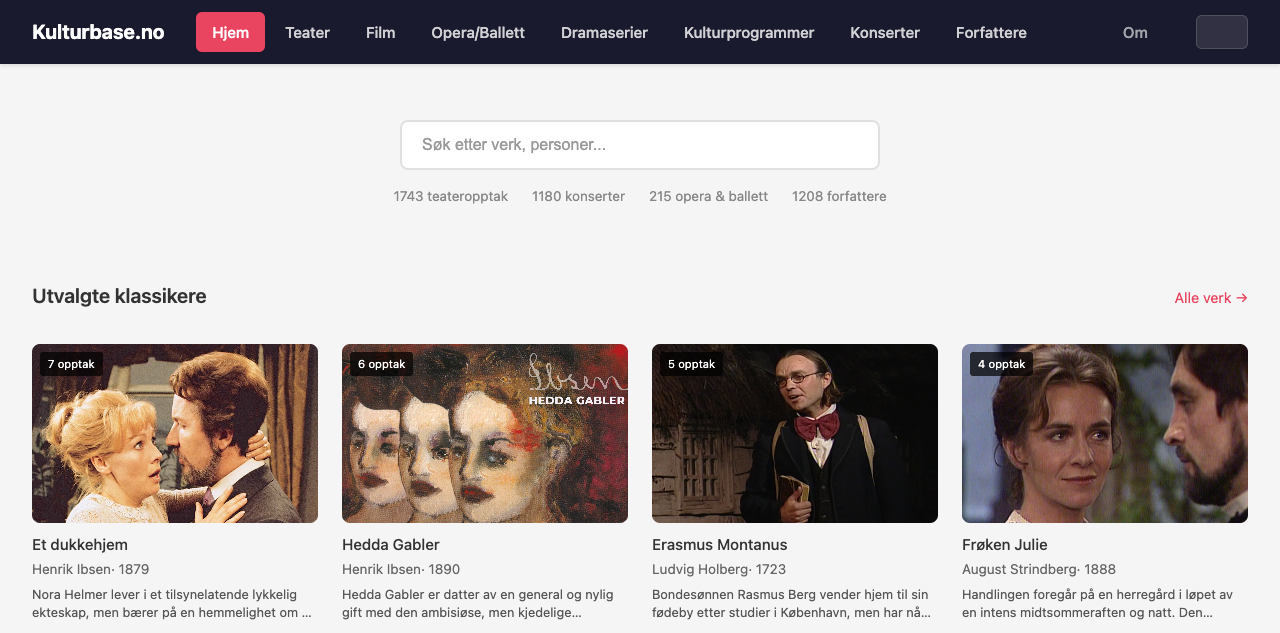
1,500 Norwegian plays, 700 films, 1,300 concerts — searchable in one place.

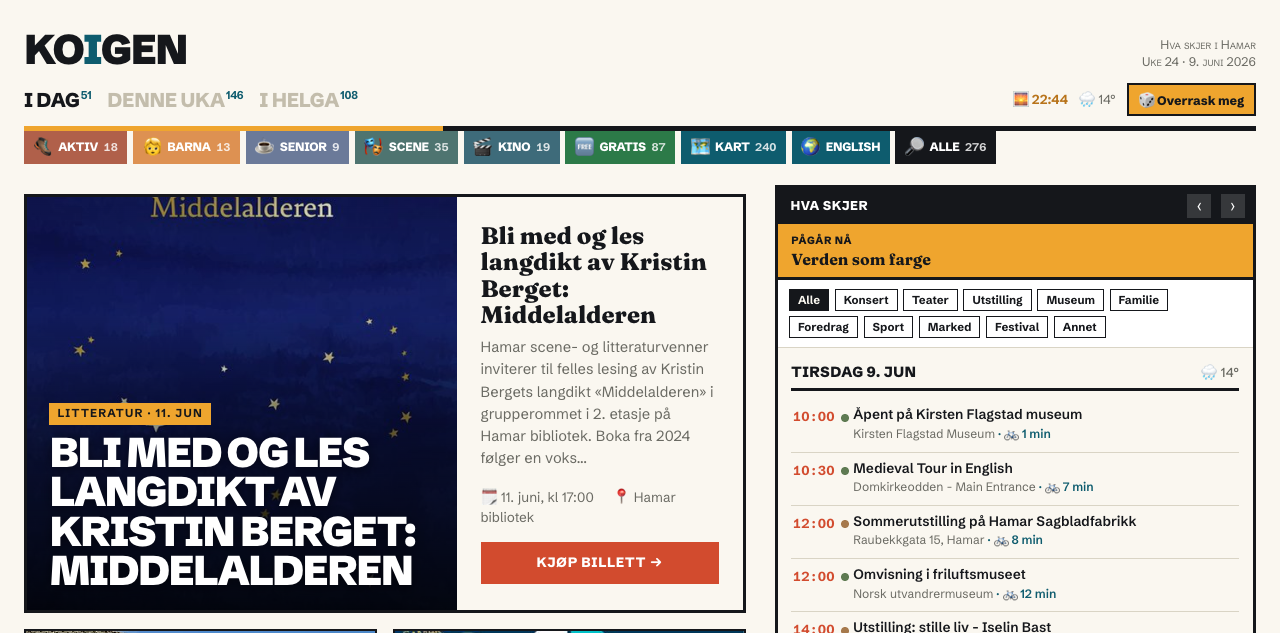
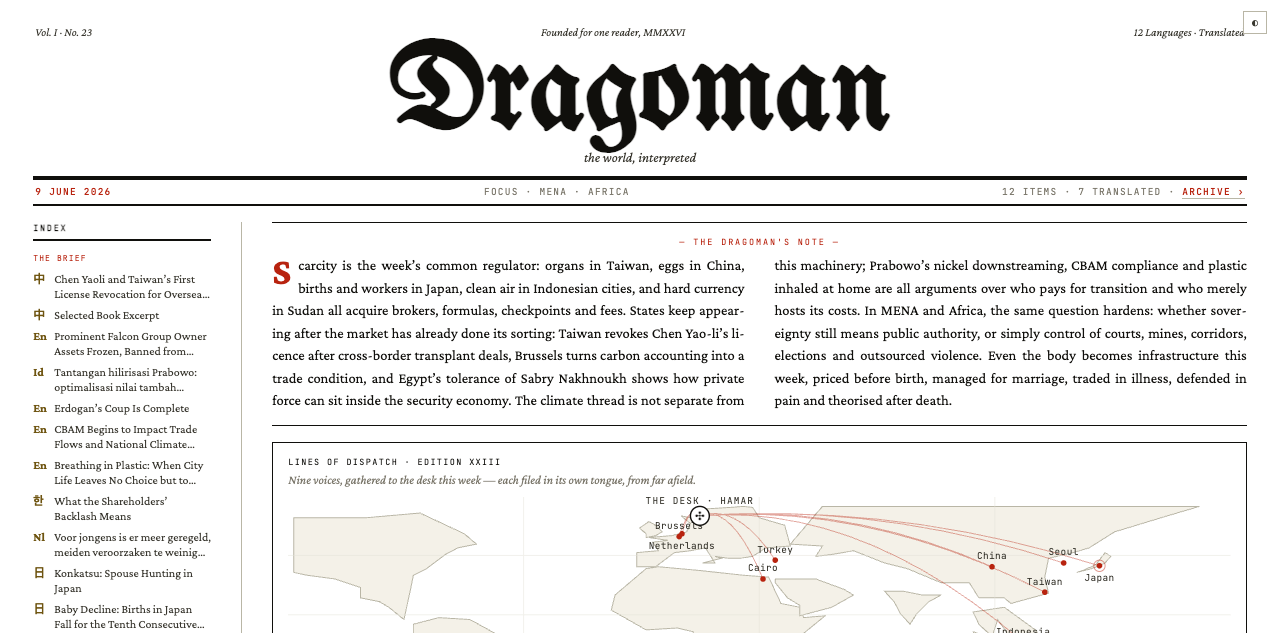
Every event in Hamar, in one calendar. Built in a day, for one town.

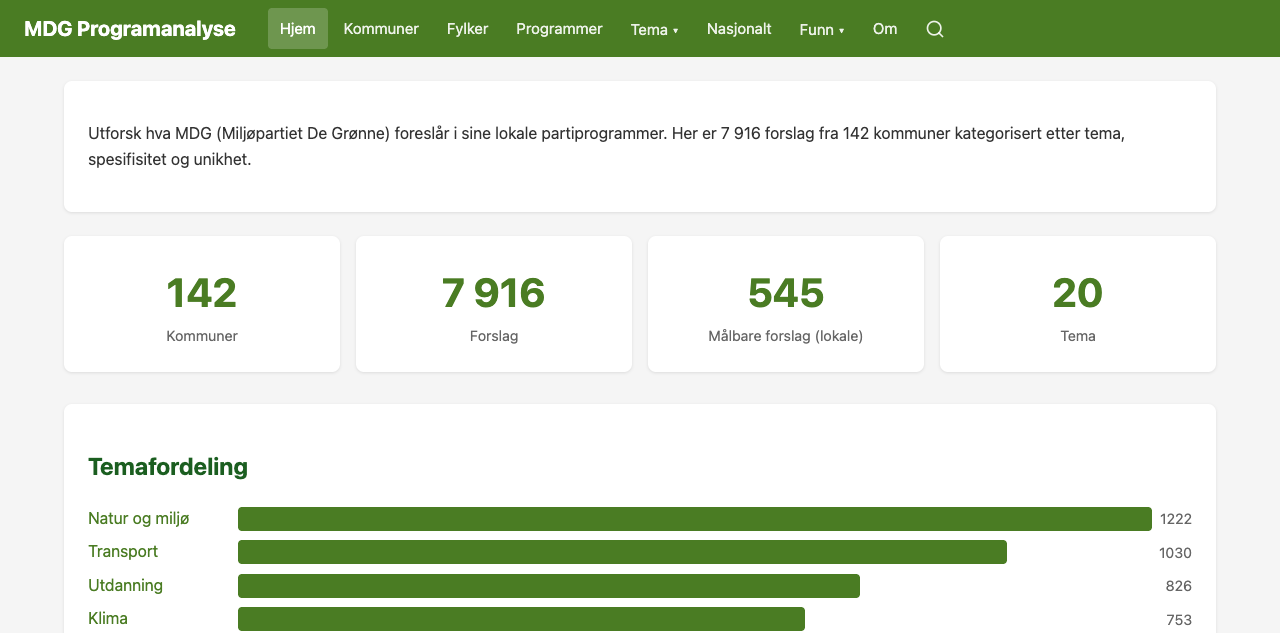
7,916 proposals from 142 local party programs, classified by theme.

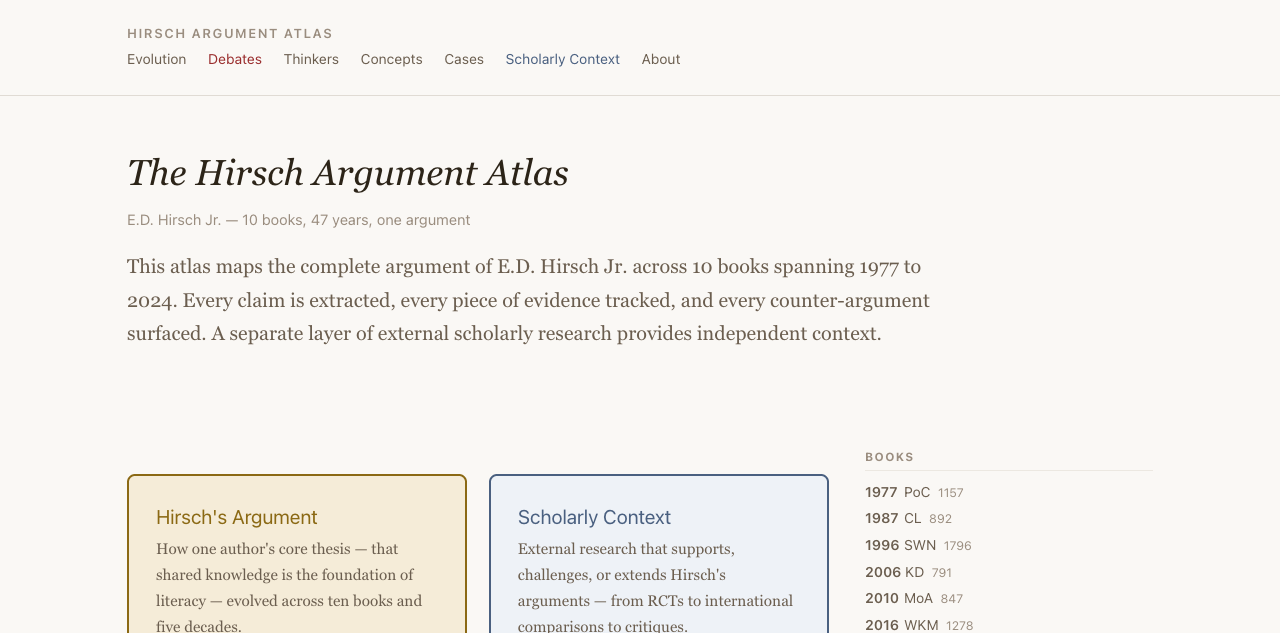
10 books, 47 years, one argument — every claim mapped and cross-referenced.
The two projects from the talk, in long form. These are the rich versions — start here.
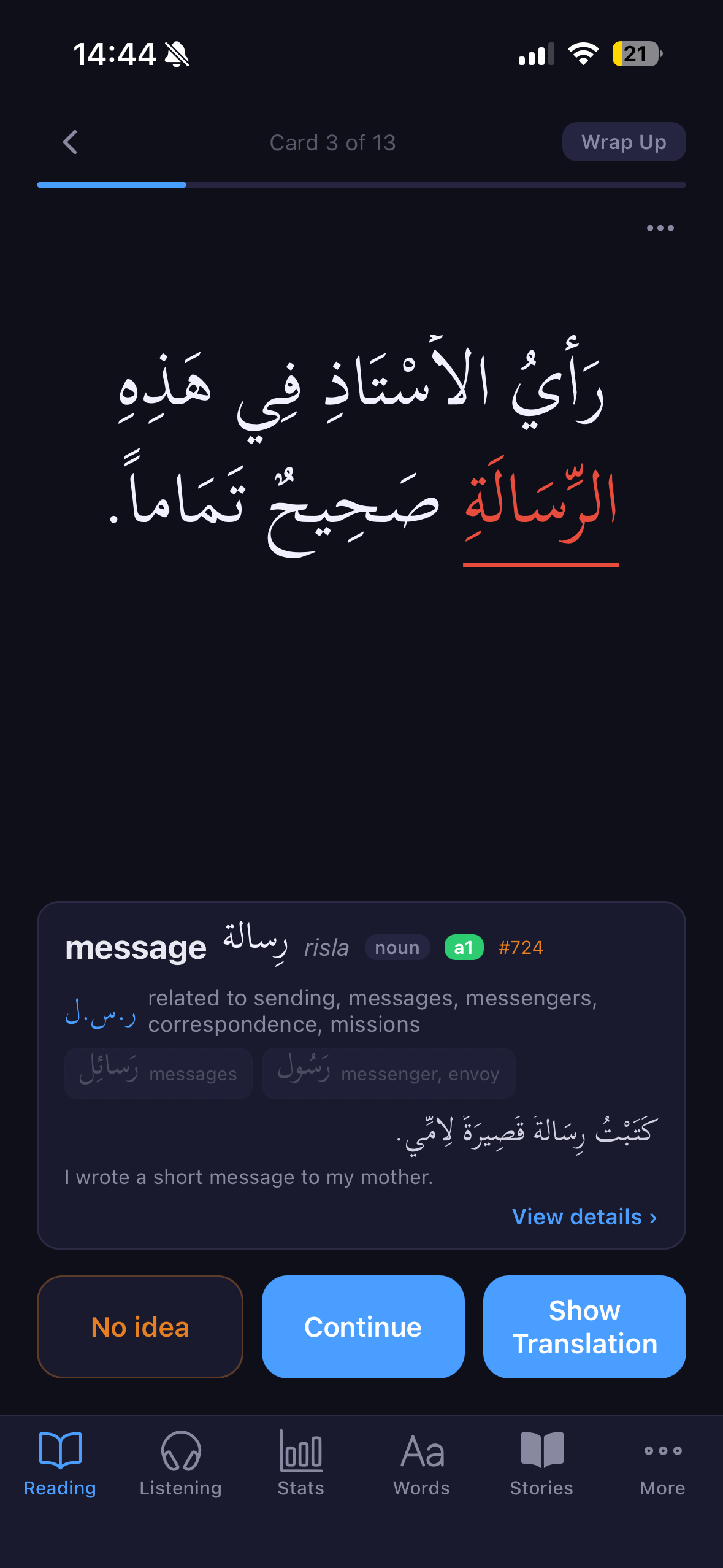
Twenty years of wanting to read real texts, one too many spelling drills — and then one sentence to Claude, 43 research agents, and an Arabic learning system with calibrated sentences, my own data, and a cloned-voice podcast for an audience of one.
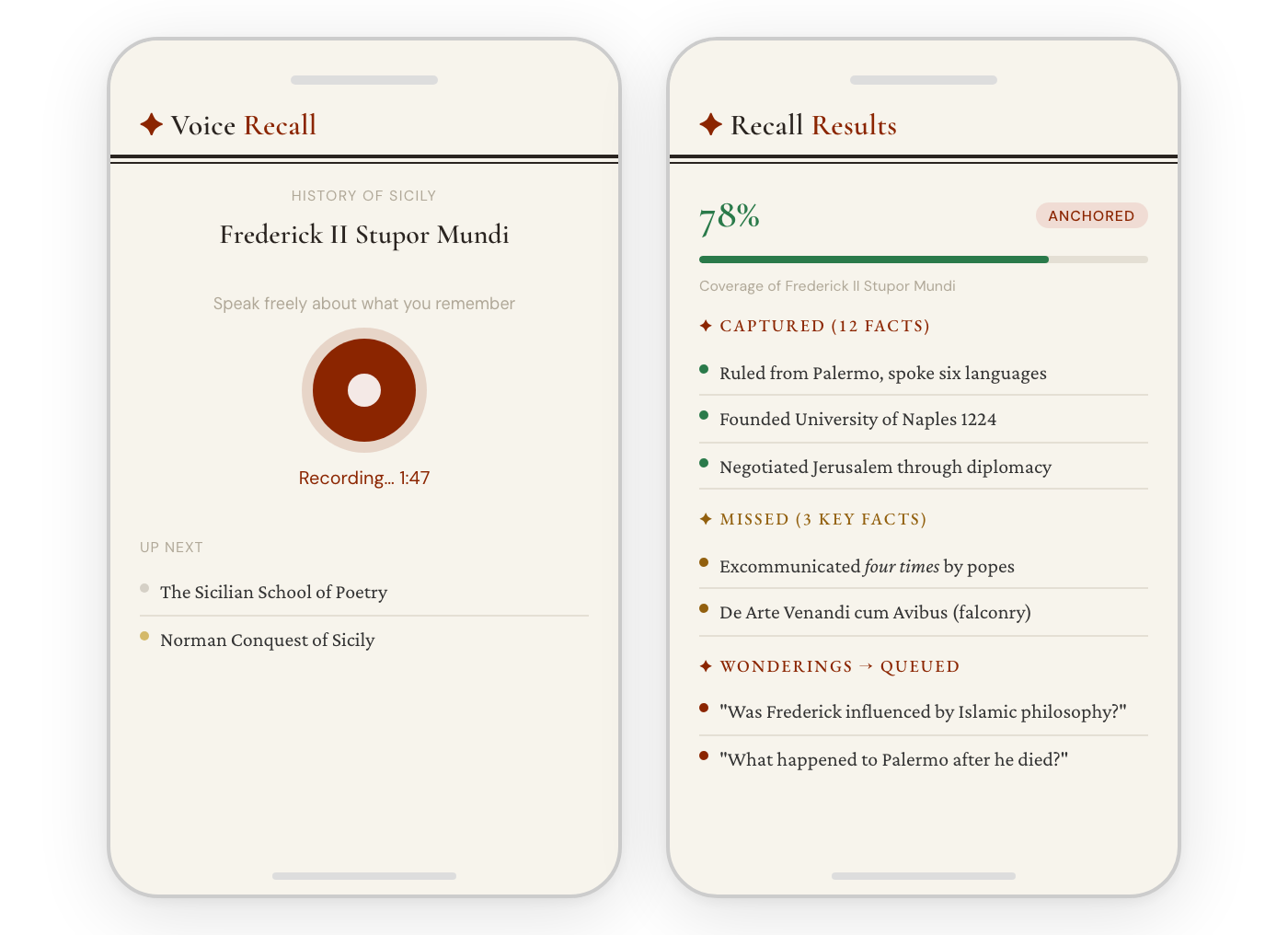
A mobile app that tracks what you know across books, podcasts, and voice recordings — and keeps it alive through contextual resurfacing. Think out loud on a forest walk; your wonderings come back researched, with sources.
The ones that followed me back to the day job. Take them.
$ review https://github.com/owner/repo/pull/123
Turns a 30-file PR into a guided walkthrough — reading order, architecture diagrams, the why — and collapses the trivial changes so attention lands where the risk is.
↳ see a real walkthrough of an Alif PR$ /design-explorer "15 full themes, real data"
Generate fifteen complete design variants, pick by eye. It’s easier to choose than to describe — 15 → 1 winner in 31 minutes.
↳ scroll the 15 Renaissance themes$ chat-search "database is locked sqlite WAL"
Semantic + keyword search over 8,000+ of your own Claude Code sessions — the tool that read its own logs and rebuilt itself. 18% → 0% error.
$ pip install limbic # the accidental library
Embeddings, search, novelty detection, clustering — extracted after every project kept reaching for the same code. I made a library and didn’t notice.
Fregnan et al. — 64% lower odds of catching a defect in the last file shown vs. the first.
Once you find one problem, you stop looking as hard. Old, human, and very much alive in code review.
Shao et al. — narrative framing measurably improves comprehension of insights.
Lee et al., Microsoft — GenAI users self-report less critical-thinking effort; confidence in the AI drives the drop.
Plus his Showboat tool: make the agent write up how it verified its own work.
The prompt → skill → tool pattern, in long form — on my newsletter, Networked Thought.
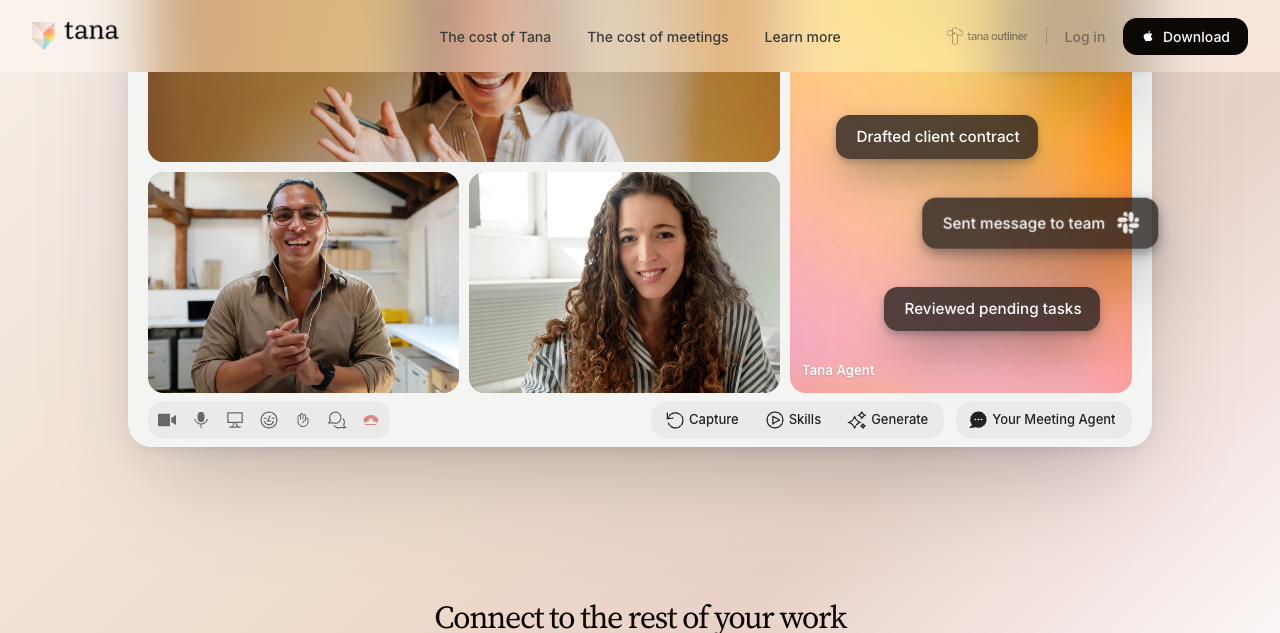
Tana puts AI agents inside the meeting, doing real work live — under the day-job rules: the AI never changes shared knowledge on its own. Every change is a proposal with a diff a human keeps, updates, or discards. Review, history, access control — the things developers take for granted, for everyone.